This video was filmed prior to Transit’s renovation

Transit Impact Report
Who’s New to Transit in 2025?
Our Community at a Glance
Our Guests' Journey
Volunteers: The Strength behind our Community

Transit Impact Report

The Transit Impact Report gives a simple snapshot of how many people we’re supporting, the types of households we see and how local needs are changing. It helps us understand our community and shows the difference your support makes.

The City of Casey is one of Australia’s fastest-growing areas, home to more than 405,000 people from over 150 cultural backgrounds. But the 2024 City of Casey Household Survey showed that food insecurity is a major issue.

This is not a short-term problem for many households - it’s an ongoing challenge affecting wellbeing, stability and the ability to thrive.
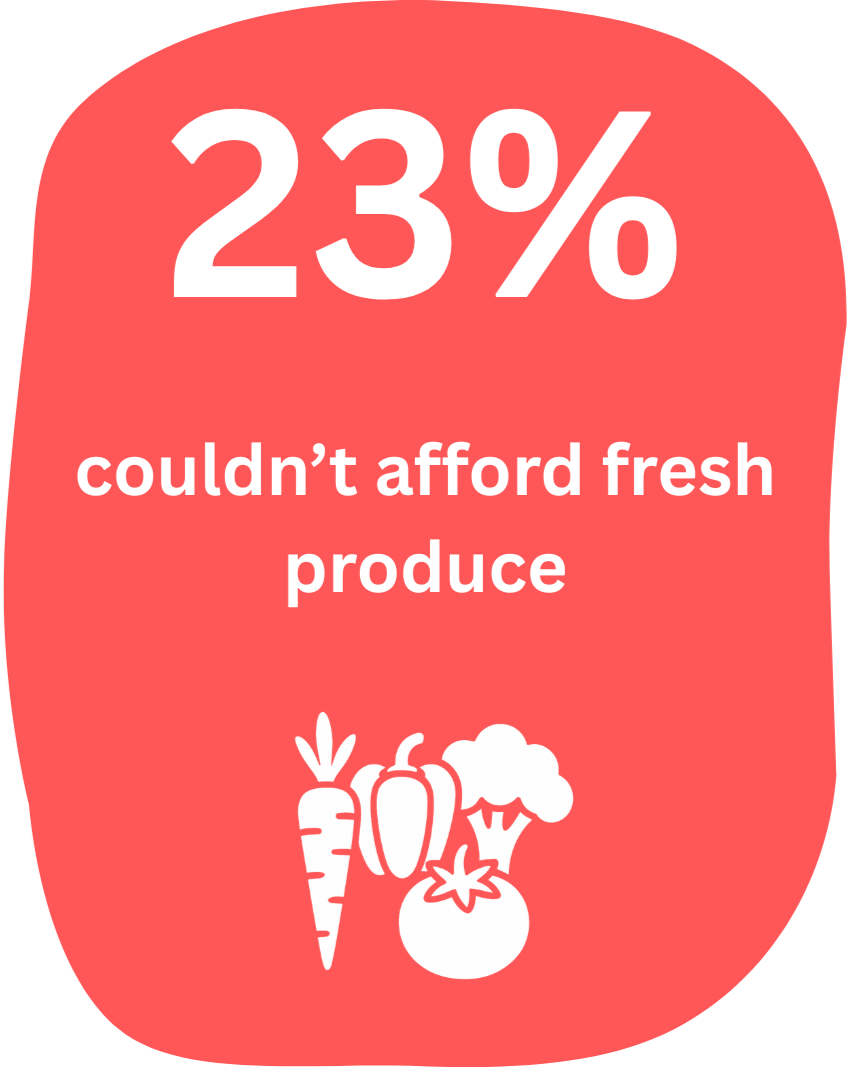
A red speech bubble with white text stating that 23% of people couldn't afford fresh produce, accompanied by illustrations of a carrot, a bell pepper, a broccoli floret, and a tomato.
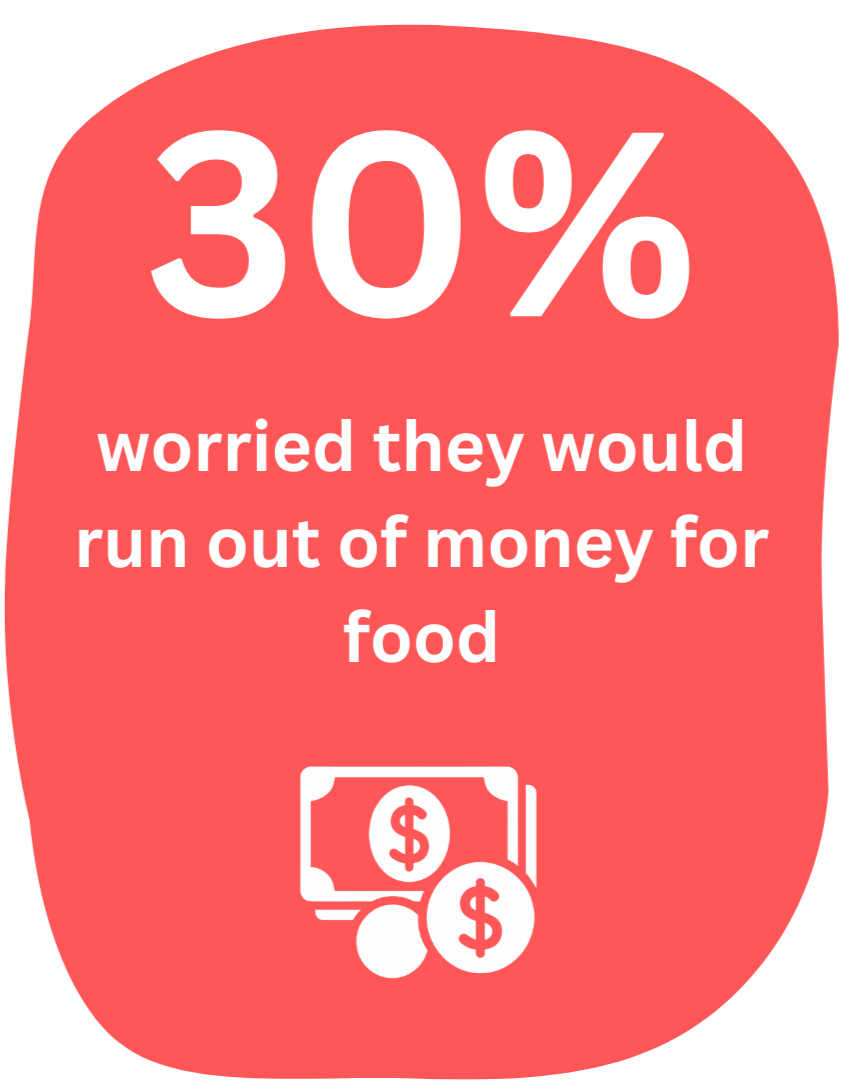
Red infographic with white text stating '30% worried they would run out of money for food,' featuring an icon of dollar bills and coins.
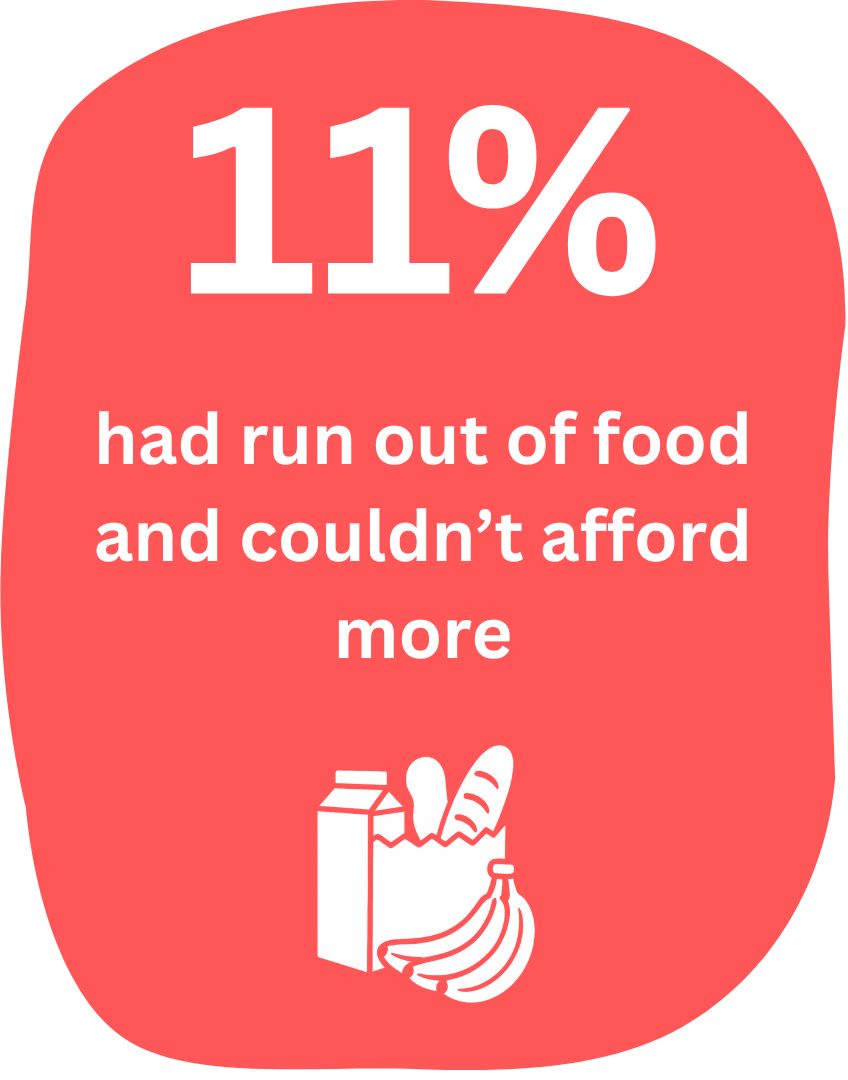
Red background with white text stating "11% had run out of food and couldn't afford more," accompanied by a simple white illustration of a grocery bag with bread, bananas, and a carton of milk.
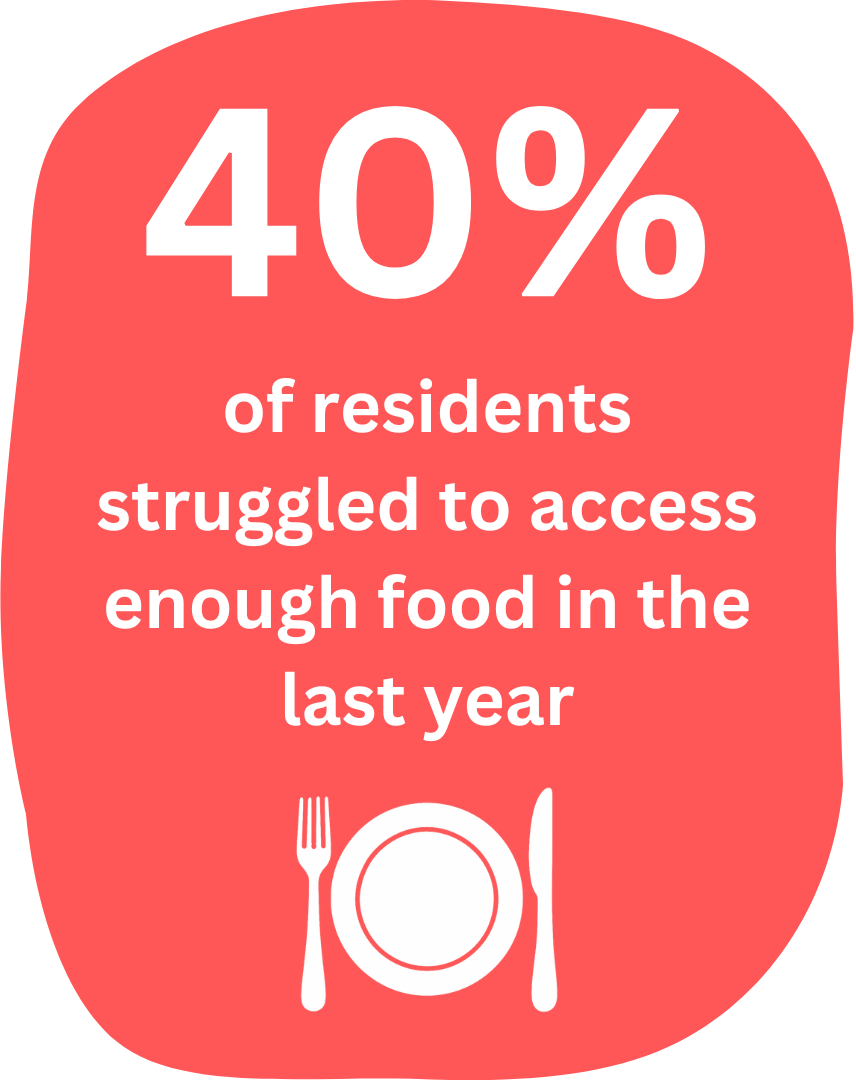
A red rounded speech bubble with white text stating, "40% of residents struggled to access enough food in the last year," with a white icon of a plate, fork, and knife at the bottom.
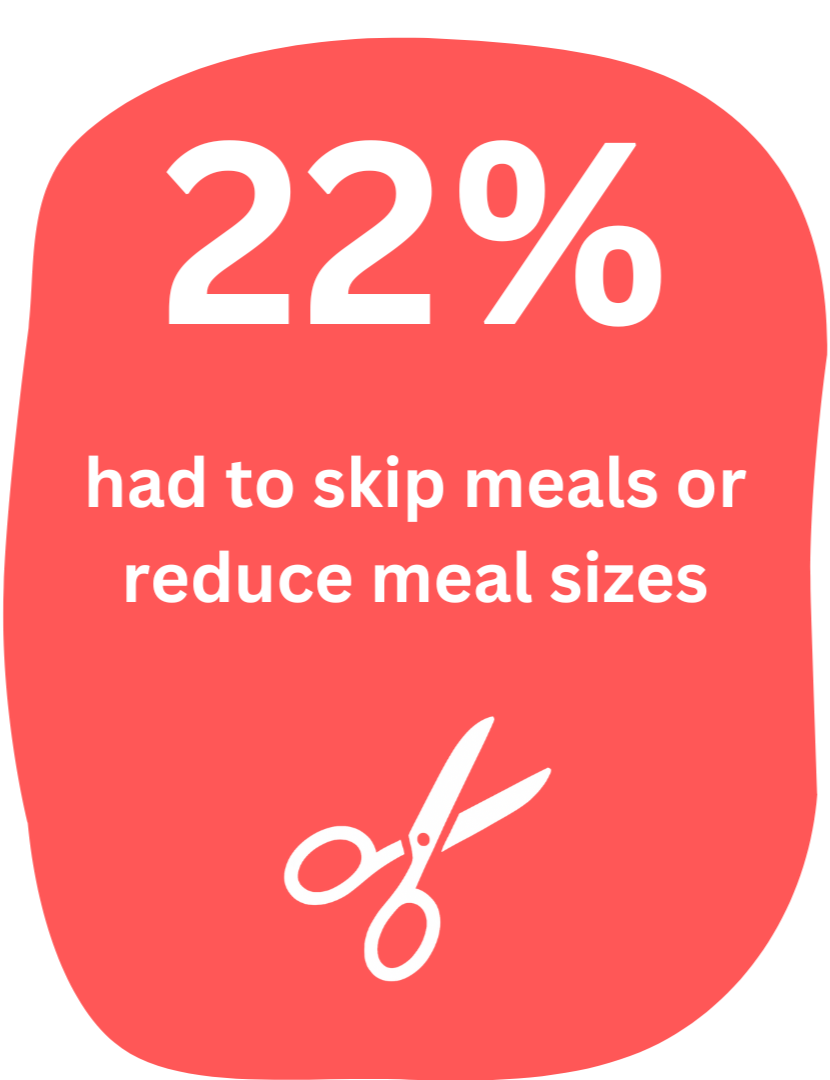
Infographic showing that 22% of people had to skip meals or cut back on meal sizes, with a red background and white text, and an icon of scissors at the bottom.

Our Community at a Glance

A black and white photo of an elderly man wearing a knitted beanie, smiling with a mustache and a goatee, dressed in a jacket.

Photo taken with permission of Guest

Guest Engagement: Who We’re Supporting at Transit and Who No Longer Needs Food Assistance (2025)
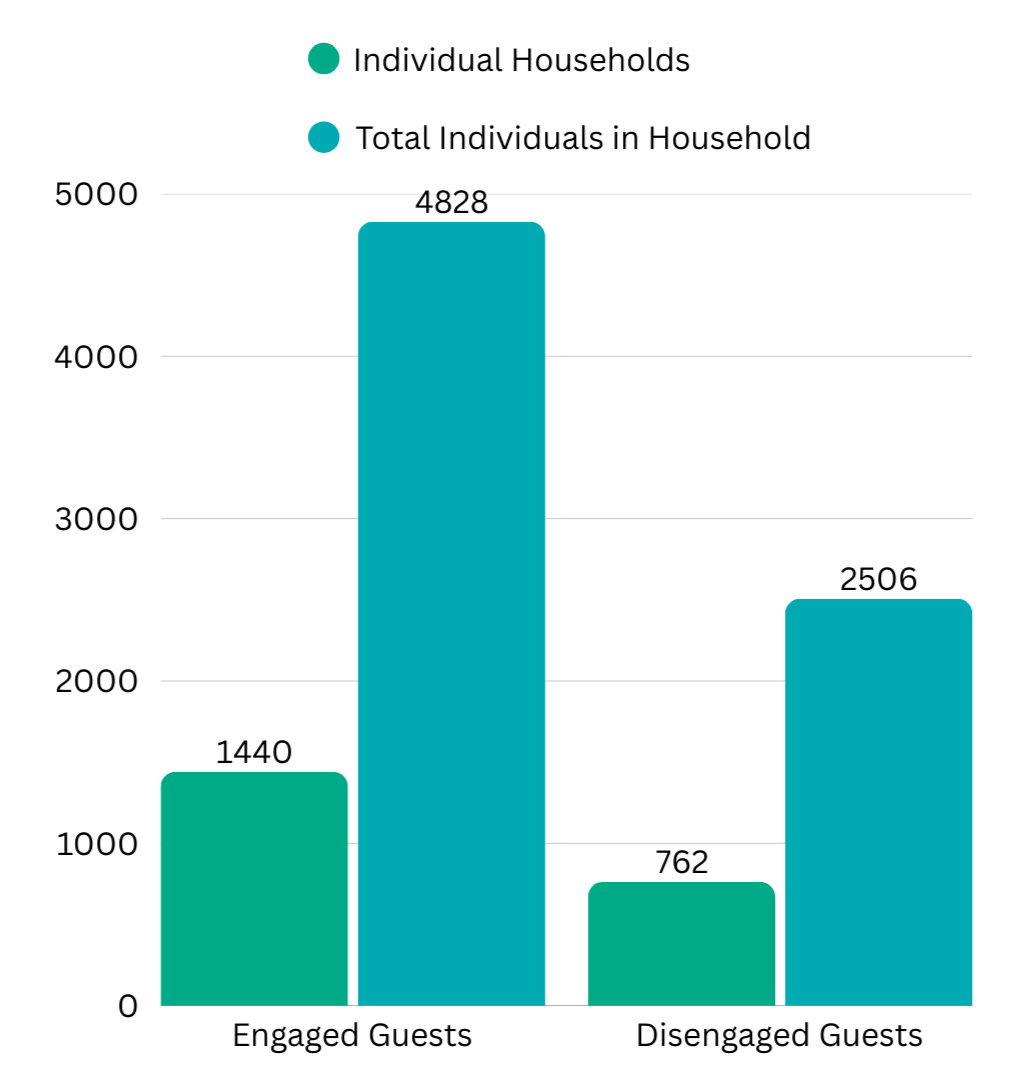
Bar chart comparing engaged and disengaged guests. The chart shows the number of individual households and total individuals. Engaged guests include 1,440 households and 4,828 individuals. Disengaged guests include 762 households and 2,506 individuals.

This graph highlights the difference between guests who are actively engaged with our services and those who are no longer reliant on food support from Transit (disengaged guests).

What does ‘disengaged’ mean?
At Transit, a ‘disengaged’ guest is someone who no longer relies on our food support. While many people reduce visits as life becomes more stable - such as gaining employment, moving further away, improving finances, or simply no longer needing regular food assistance - we can only track that they have stopped attending, not why. Some later tell us they’ve gotten back on their feet and a few even return as volunteers as their way of giving back.

A note on the data…
We can clearly see when a guest’s attendance gradually decreases and eventually stops, but we can’t capture the personal reason behind that change. The closest insights we gain are through occasional case studies or when people reconnect years later and share their story. For this reason, the data reflects the pattern of engagement rather than the individual circumstances behind it.

Guest Engagement: (Homeless / Rough Sleepers)

Line graph showing data points from 1960 to 2020 with an increasing trend.

The homelessness trend across 2023, 2024, and 2025.

Who’s New to Transit in 2025?

A young girl with light-colored hair, wearing a necklace with beads, looking upward with a curious expression in a grayscale photograph.

This graph shows how many new guests we registered each month in 2025, including both households and the adults and children within them. It doesn’t include people who come along for our community meals on Mondays and Wednesdays.

New Guest Registrations (2025)

Photo taken with permission of mother
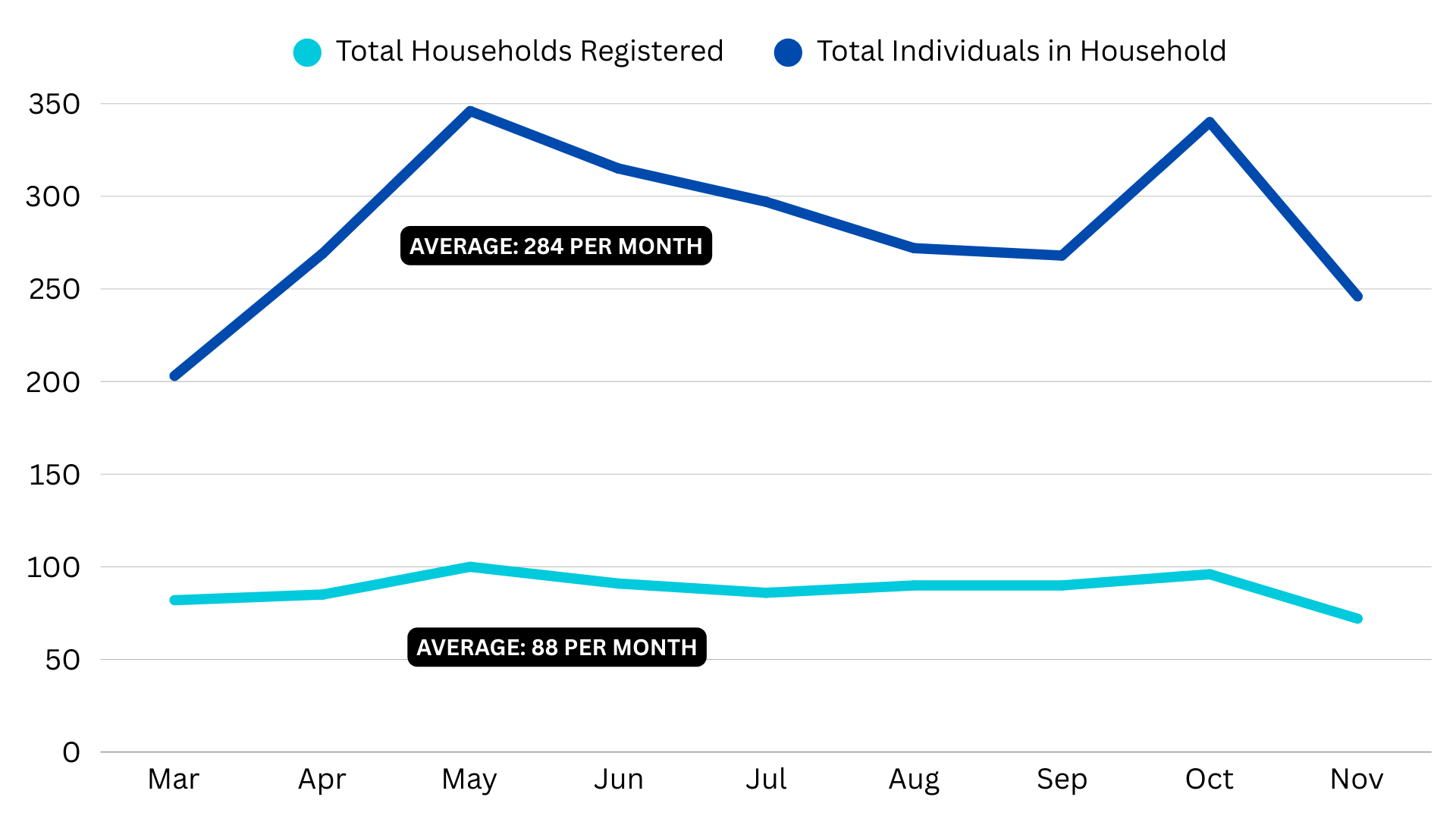
Line graph displaying monthly data from March to November. The blue line with circles shows total households registered, with an average of 88 per month. The dark blue line with dots shows total individuals in households, with an average of 284 per month. Both lines fluctuate over the months, peaking in May for individuals and in October for households.

This graph compares how many new guests we registered each month in 2025, focusing on individuals experiencing homelessness or rough sleeping.

New Guest (Homeless / Rough Sleepers) Registrations (2025)
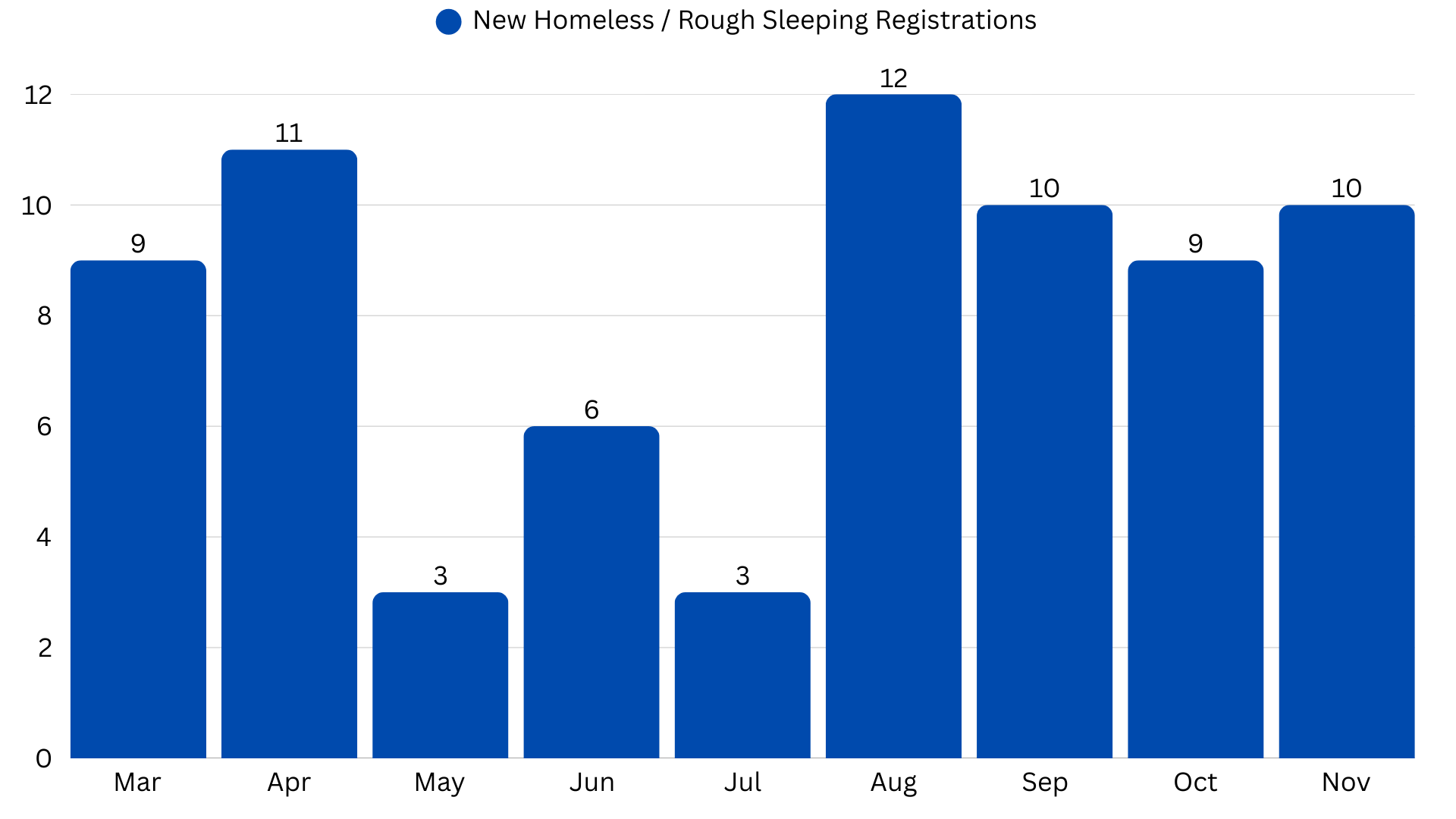
Bar chart showing monthly counts of new homeless or rough sleeping registrations, with April and August having the highest counts at 11 and 12, respectively, and May and July having the lowest at 3 each.

New Guest Registrations by Household Composition (2025)
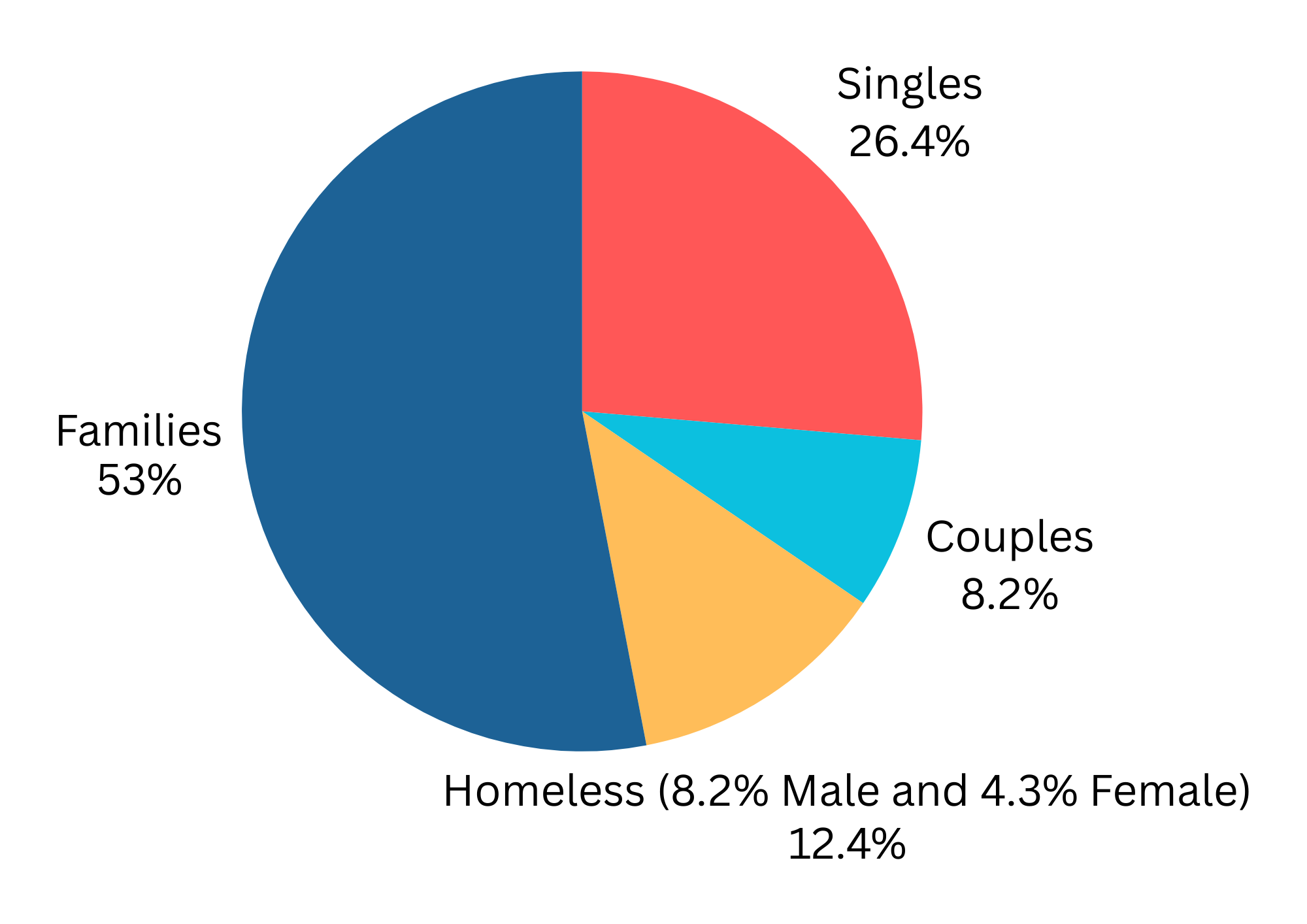
Pie chart showing the distribution of different household types. The largest segment is Families at 53%, followed by Singles at 26.4%, Homeless at 12.4%, Couples at 8.2%, with homeless also broken down into 8.2% male and 4.3% female.

A breakdown of household compositions among first-time Transit registrations in 2025.

A man with short dark hair and a beard praying with his hands clasped and head bowed at a table in a dining area, with flowers, salt shakers, utensils, a smartphone, and a glass of water in front of him.

New Guest Registrations by Location (2025)
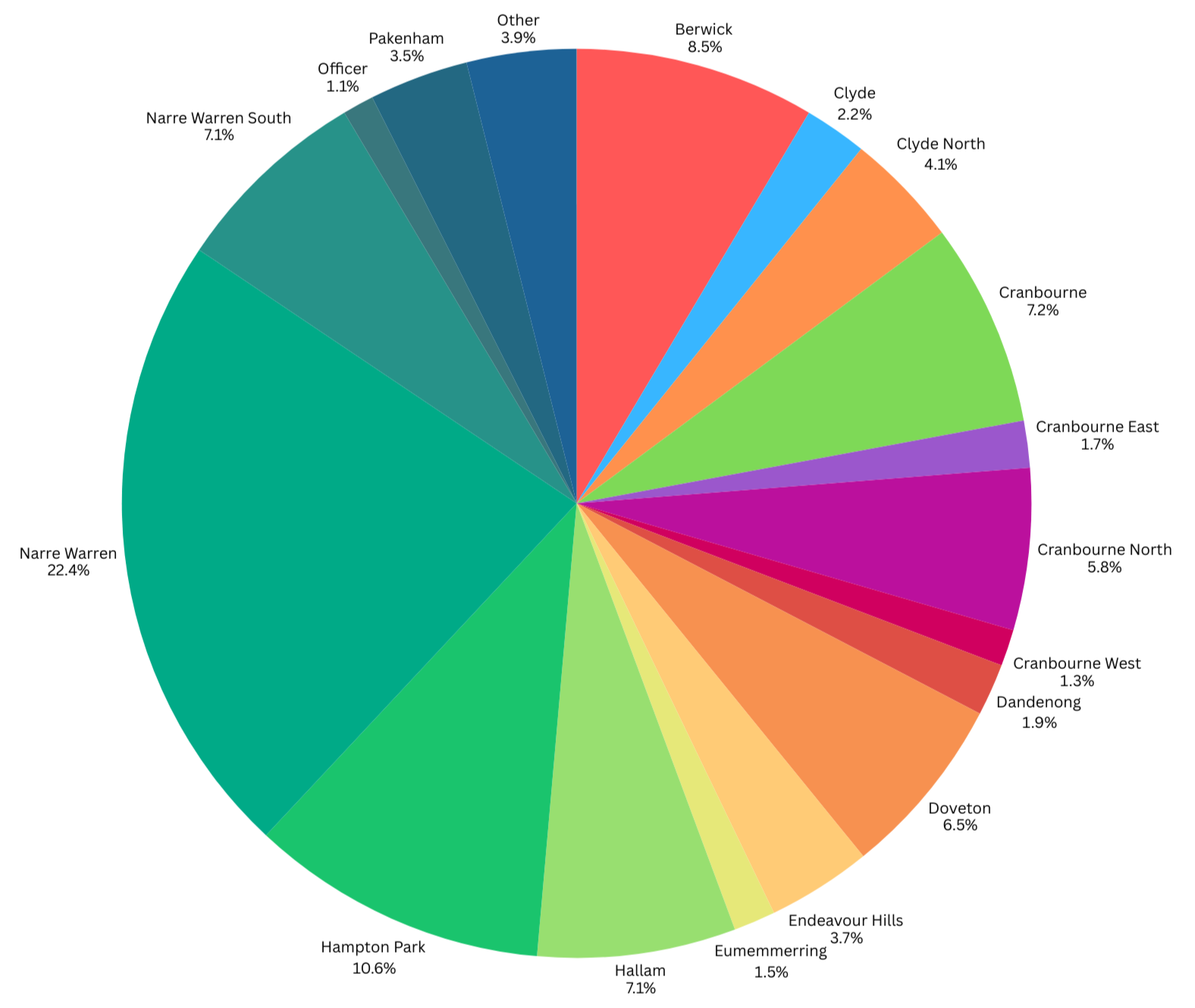
Pie chart showing the percentage distribution of different neighborhoods, including Narre Warren, Hallam, Hampton Park, Dandenong, Doveton, Endeavour Hills, Eumemmerring, Hallam, Hampton Park, Narre Warren South, Officer, Pakenham, Berwick, Clyde, Cranbourne, Cranbourne East, Cranbourne North, Cranbourne West, and other areas.

A breakdown of suburb distribution.

Our Guests' Journey
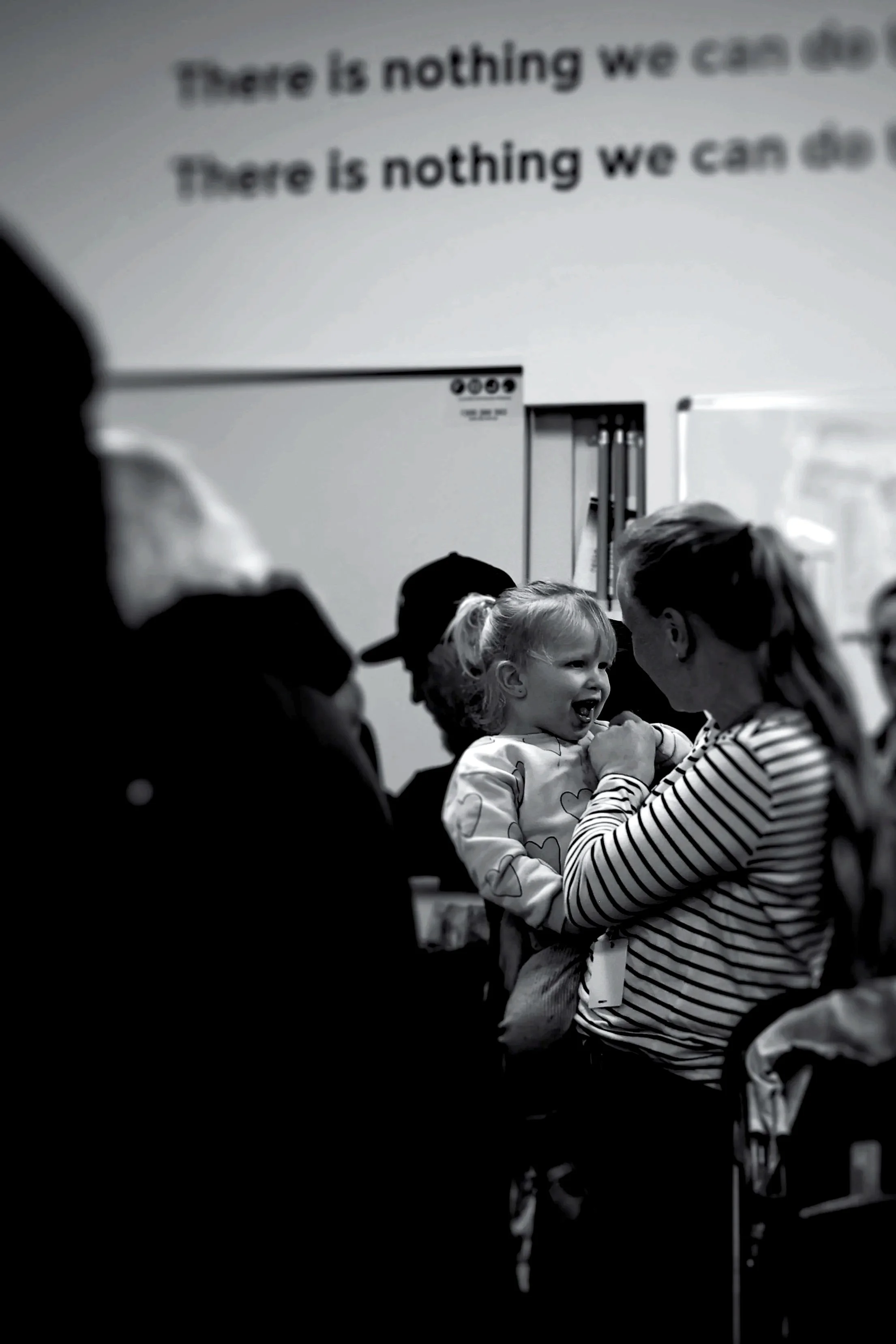
A young girl laughing and smiling while interacting with an adult in a striped shirt in a room with several people, some wearing hats, and a whiteboard or screen in the background.

Photo taken with permission

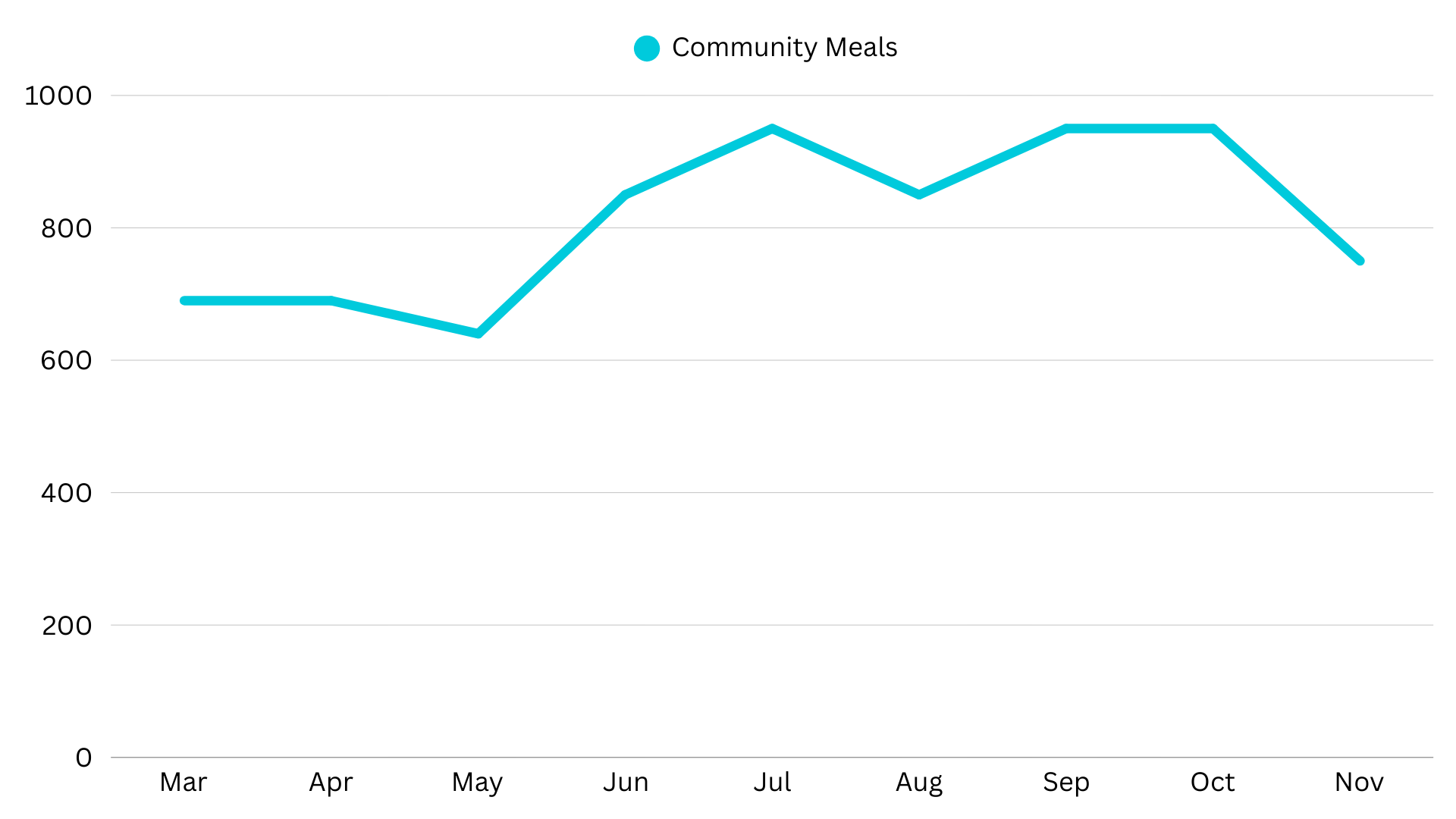
Line graph showing the number of community meals served each month from March to November, peaking in July and October, with a decline in November.

Our community meals service continues to provide support, companionship and nourishment to hundreds of individuals each month. Whether facing difficult times, loneliness or simply seeking social connection, this space is open to all.

Our Sit-Down Meal Service (2025)
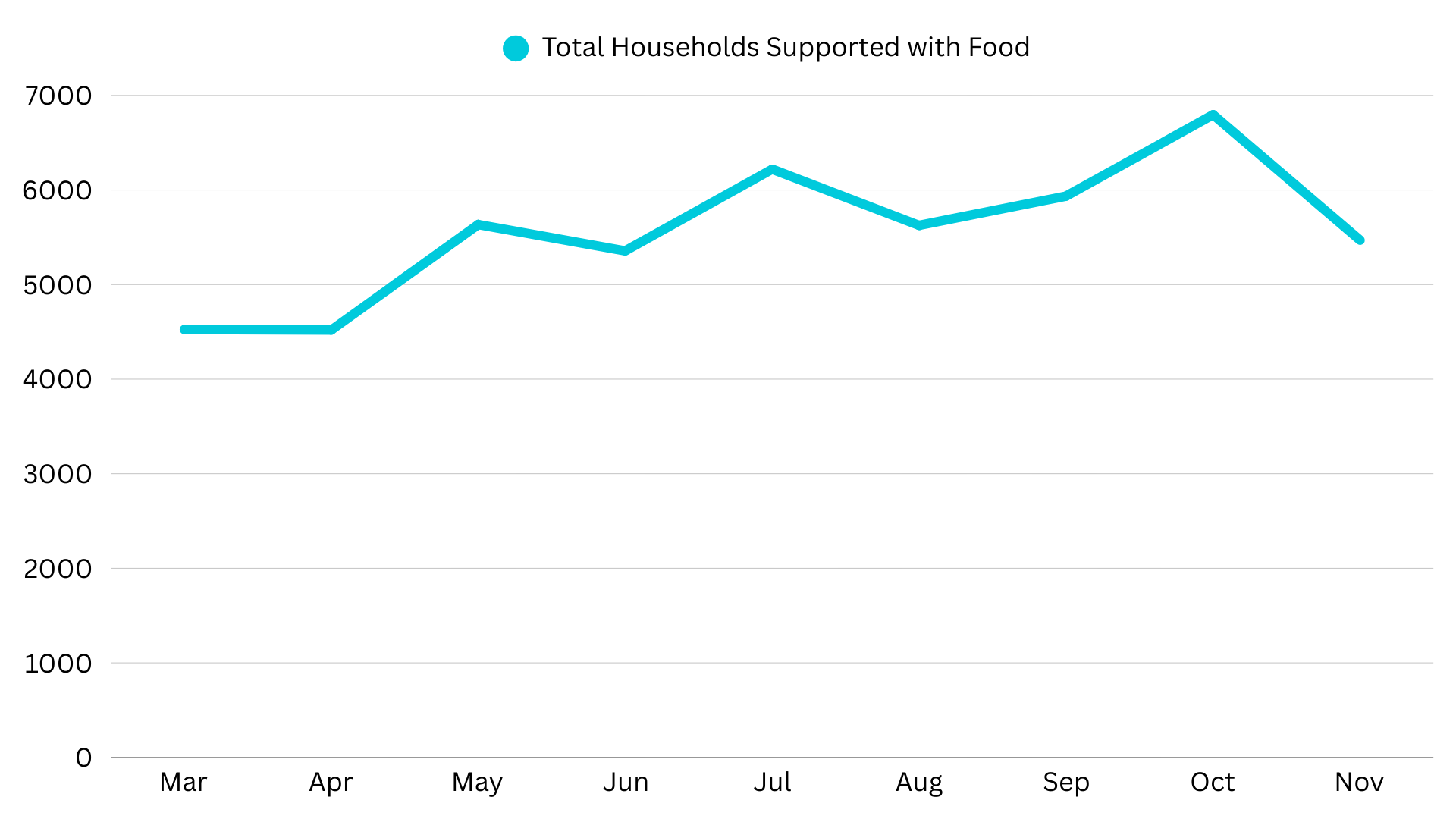
Line graph showing the number of households supported with food over a period of months from March to November. The data points fluctuate, with the highest support in October and a dip in November.

This chart shows the monthly total of individuals supported monthly through food assistance - this doesn’t include community meals.

Our Grocery Service (2025)

How Often Do Our Guests Require Support
(Groceries - 2025)?

Only a small number of our guests use Transit every week, with the majority using our services once or twice per month. (Note: Those individuals in the 5 or 6 visits indicates our homeless/rough sleeper guests that can come more than once per week due to limited cooking facilities).

Pie chart showing the number of visits, with the largest segment representing one visit (36.6%), followed by two visits (29.8%), three visits (16.5%), four visits (10.2%), five visits (4.5%), and six or more visits (2.3%).

Volunteers: The Strength behind our Community
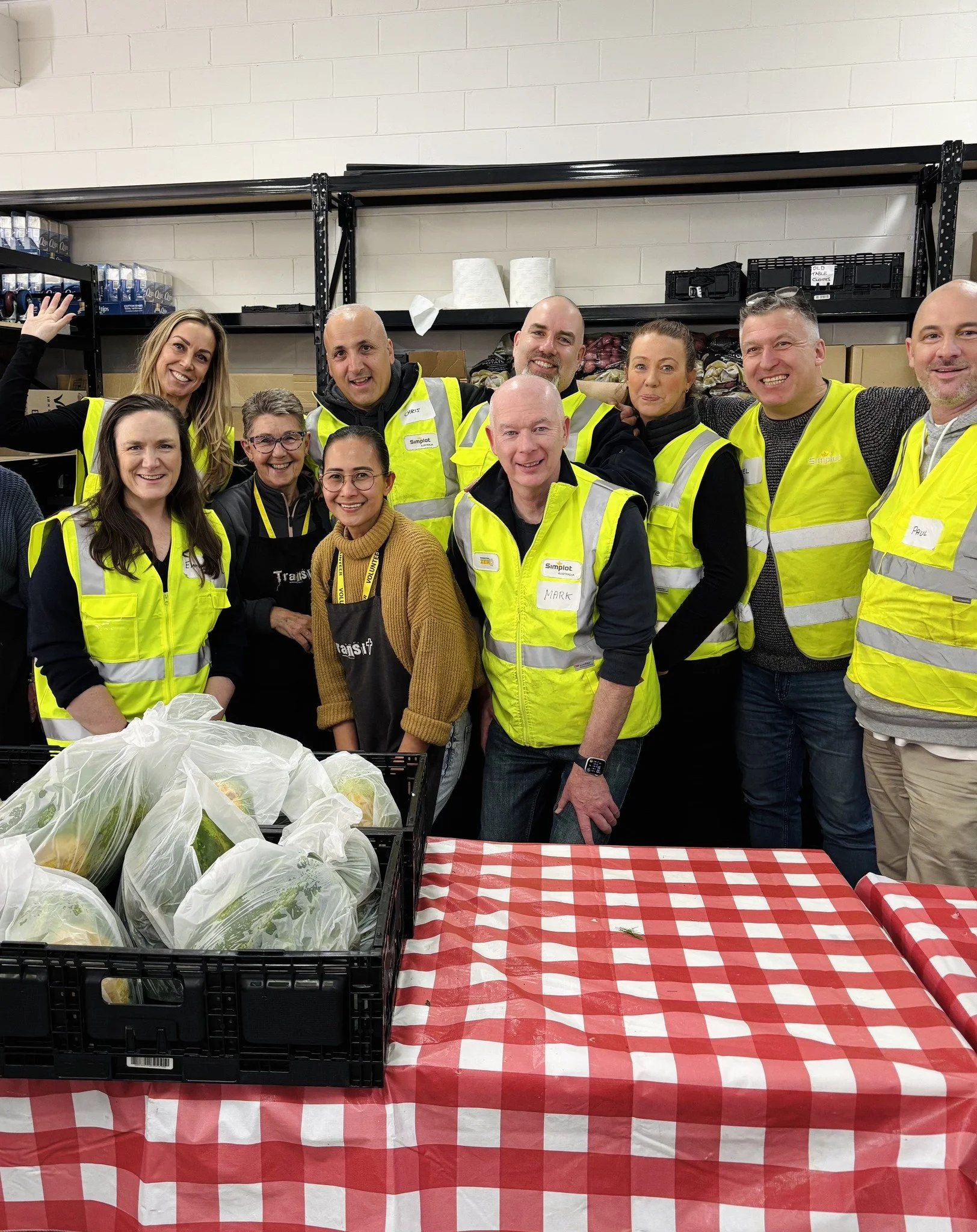
Group of people wearing yellow safety vests smiling and posing together in a warehouse, standing behind a table with a red and white checkered tablecloth and bags of produce.
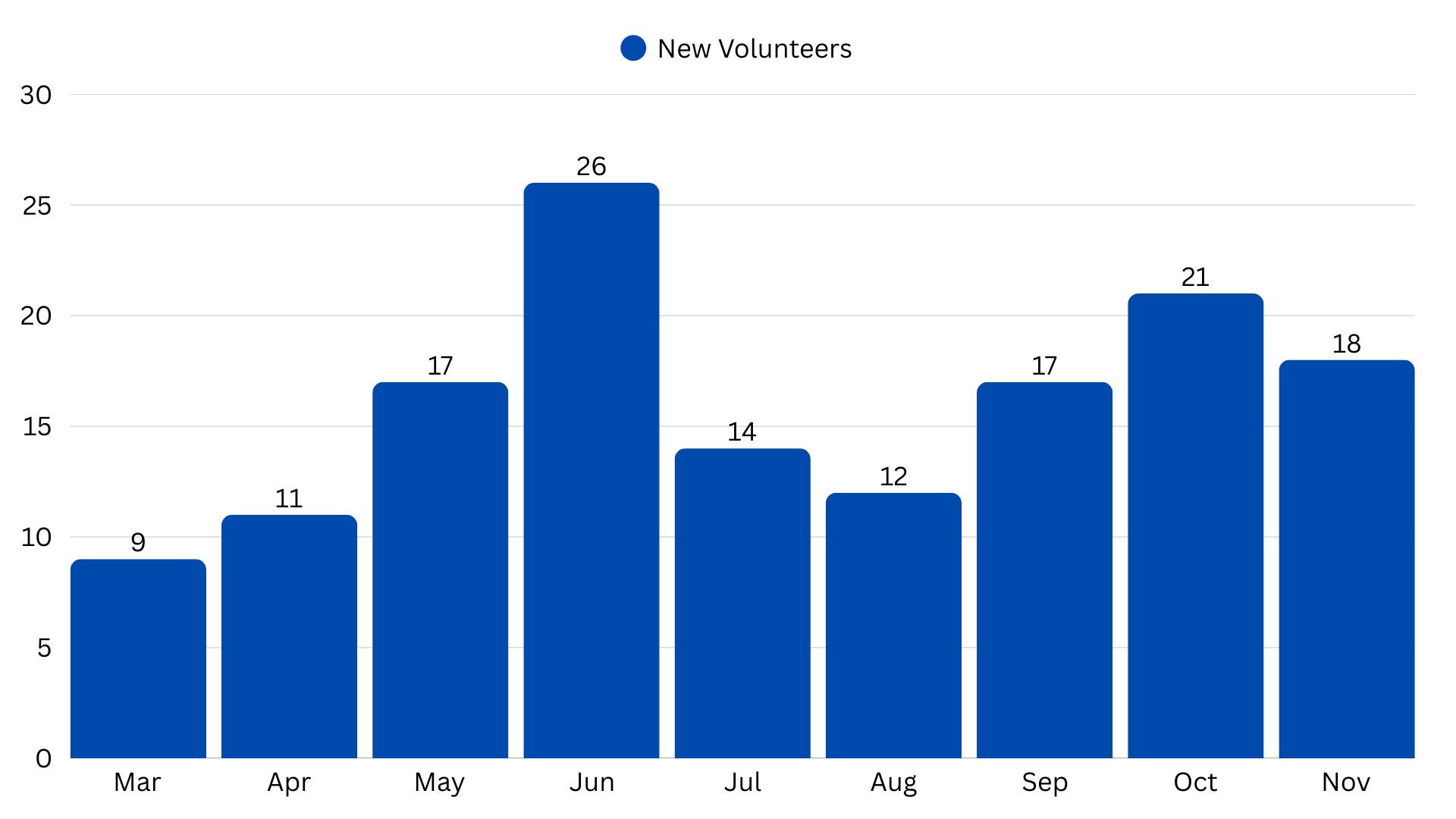
Bar chart showing the number of new volunteers from March to November, with the highest in June at 26 and the lowest in March at 9.

A simple graph showcasing the number of new volunteers becoming part of the Transit Family this year. Volunteers registered with all compliance WWC checks and are provided with training/safety inductions.

New Volunteer Registrations (2025)

Volunteer Value & Cost Calculation (2025)

The volunteer value and cost calculators estimate the financial cost of hiring paid staff to replace volunteer work.
Reference - Volunteer Replacement Cost Calculator - State of Volunteering
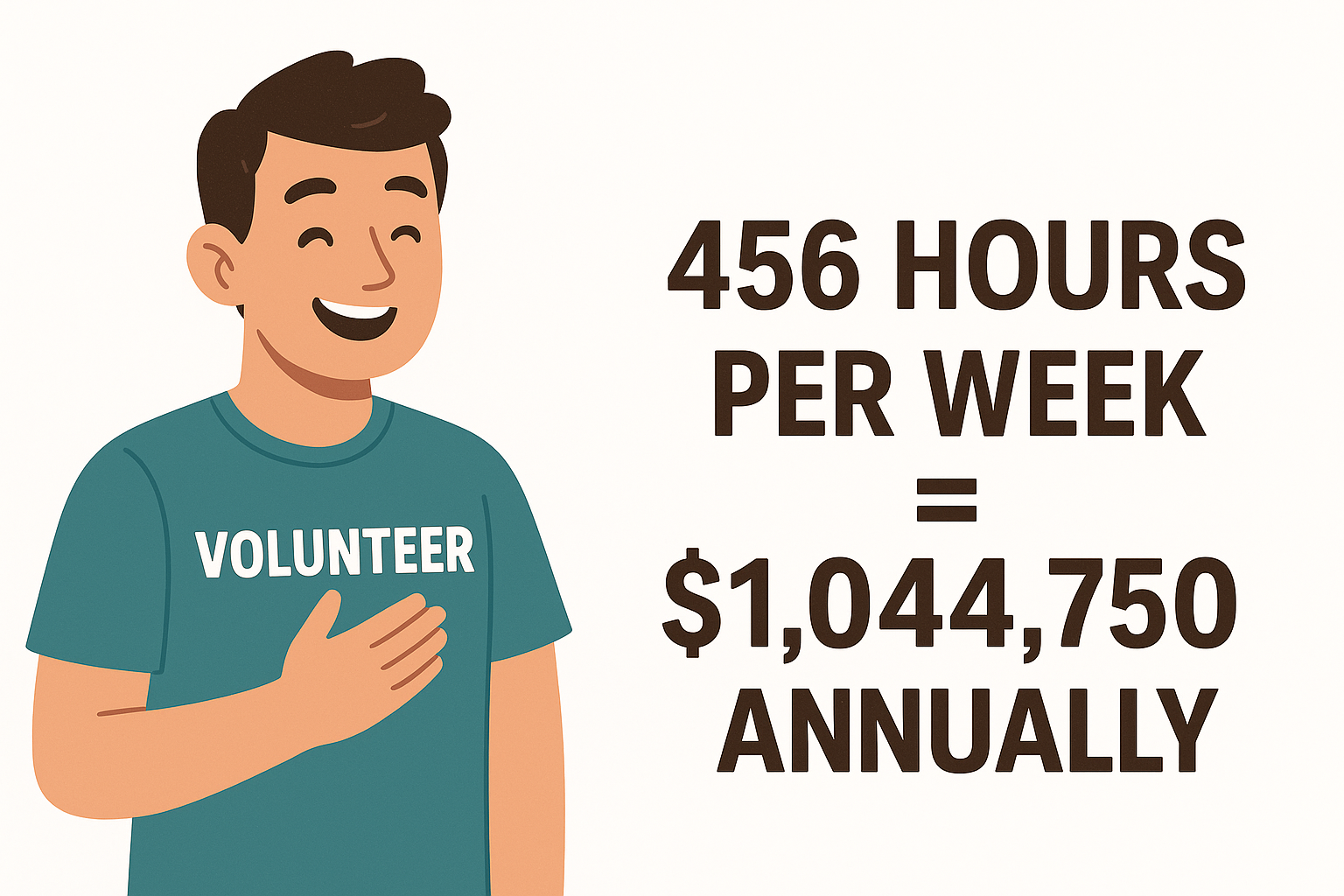
A smiling person wearing a teal shirt with the word 'Volunteer' on it, placing their right hand over their heart next to a text with statistics about hours and money saved annually.